 VIALS
VIALS
Purity ≥ 99% HPLC
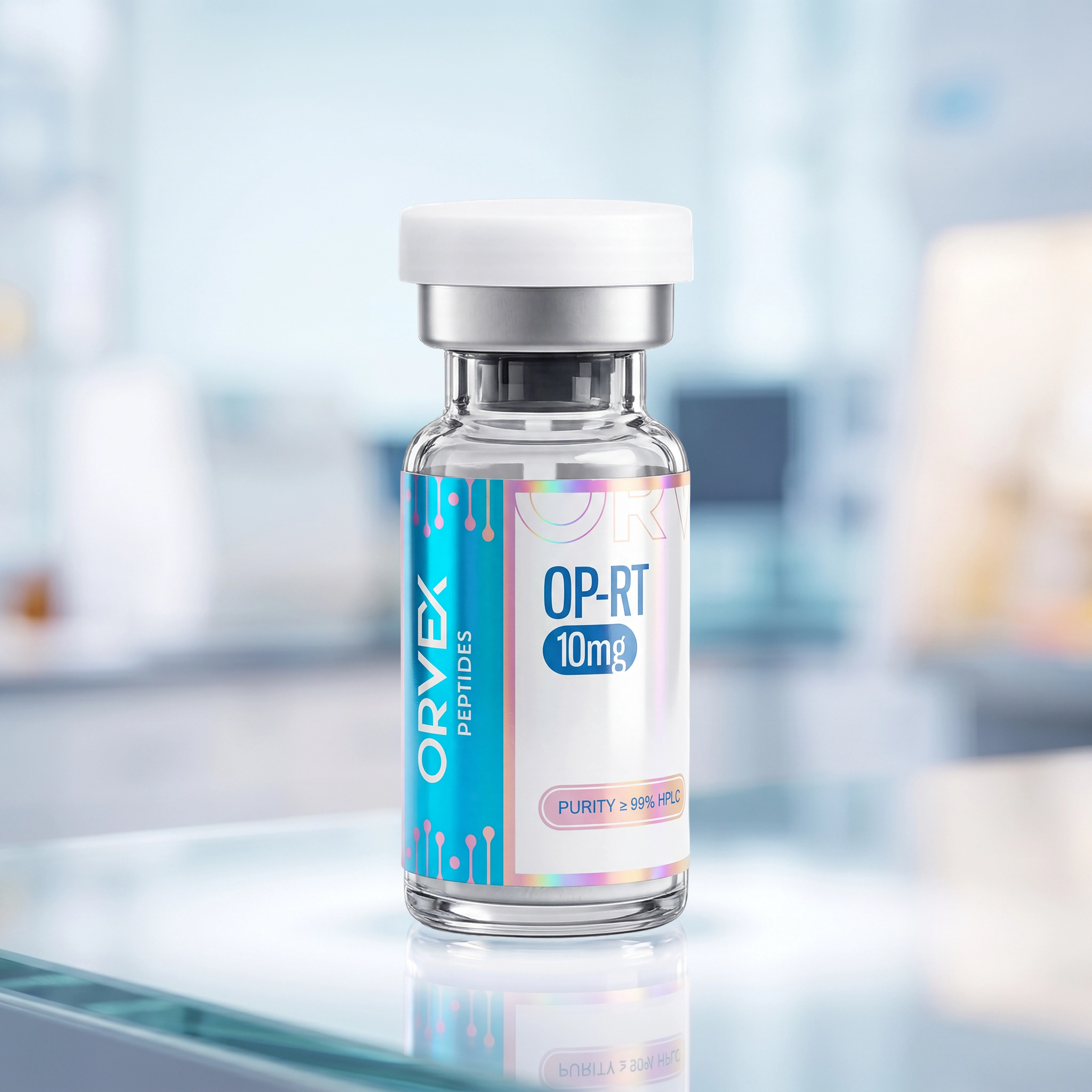
OP-RT
OP-Rt is a synthetic 39-amino-acid peptide supplied as a lyophilized reference standard for analytical and laboratory…

All products on this site are sold strictly for laboratory and research use only. They are not drugs, dietary supplements, cosmetics, or food, and are not intended to diagnose, treat, cure, or prevent any disease.
By selecting “Confirm,” you certify that:

Out of Stock
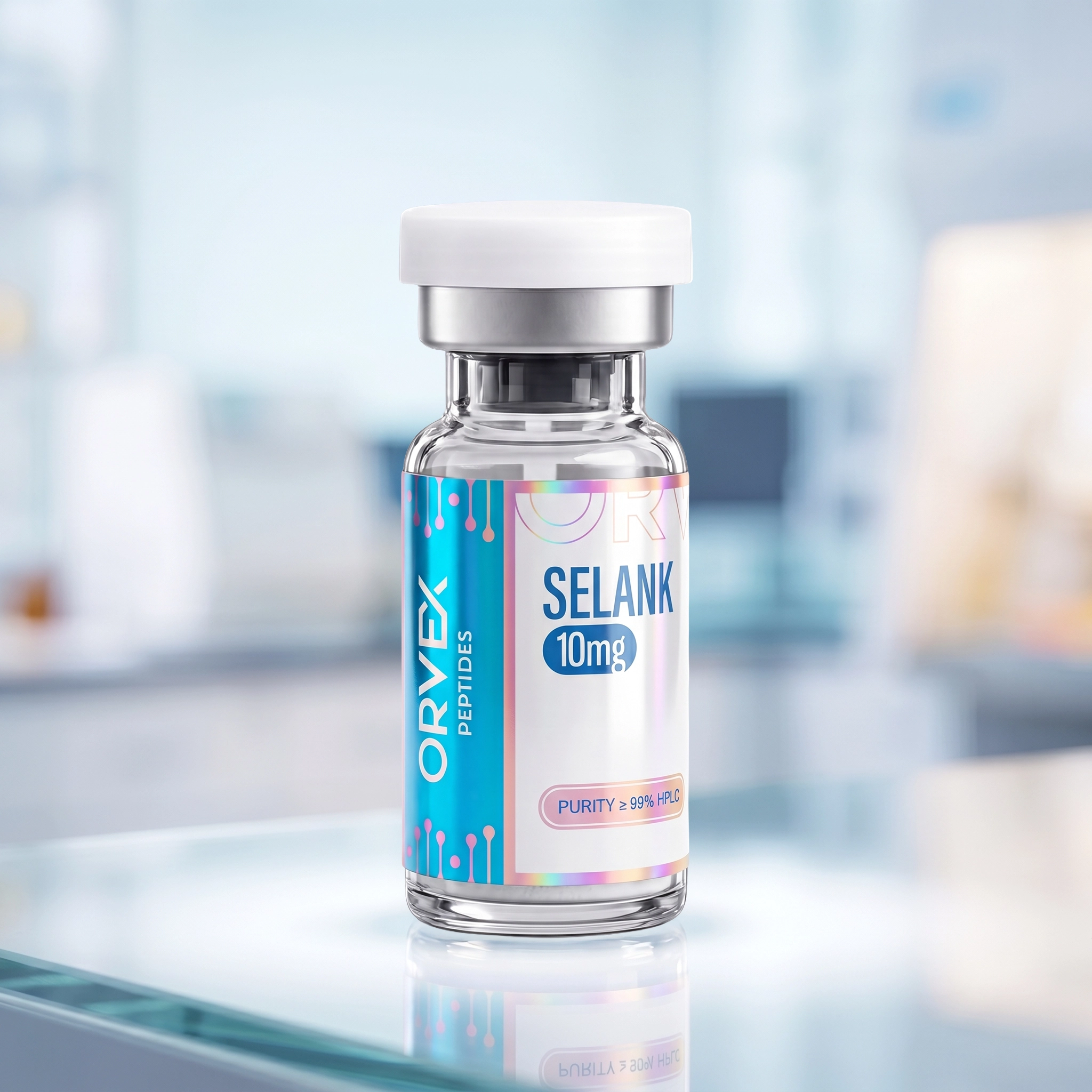
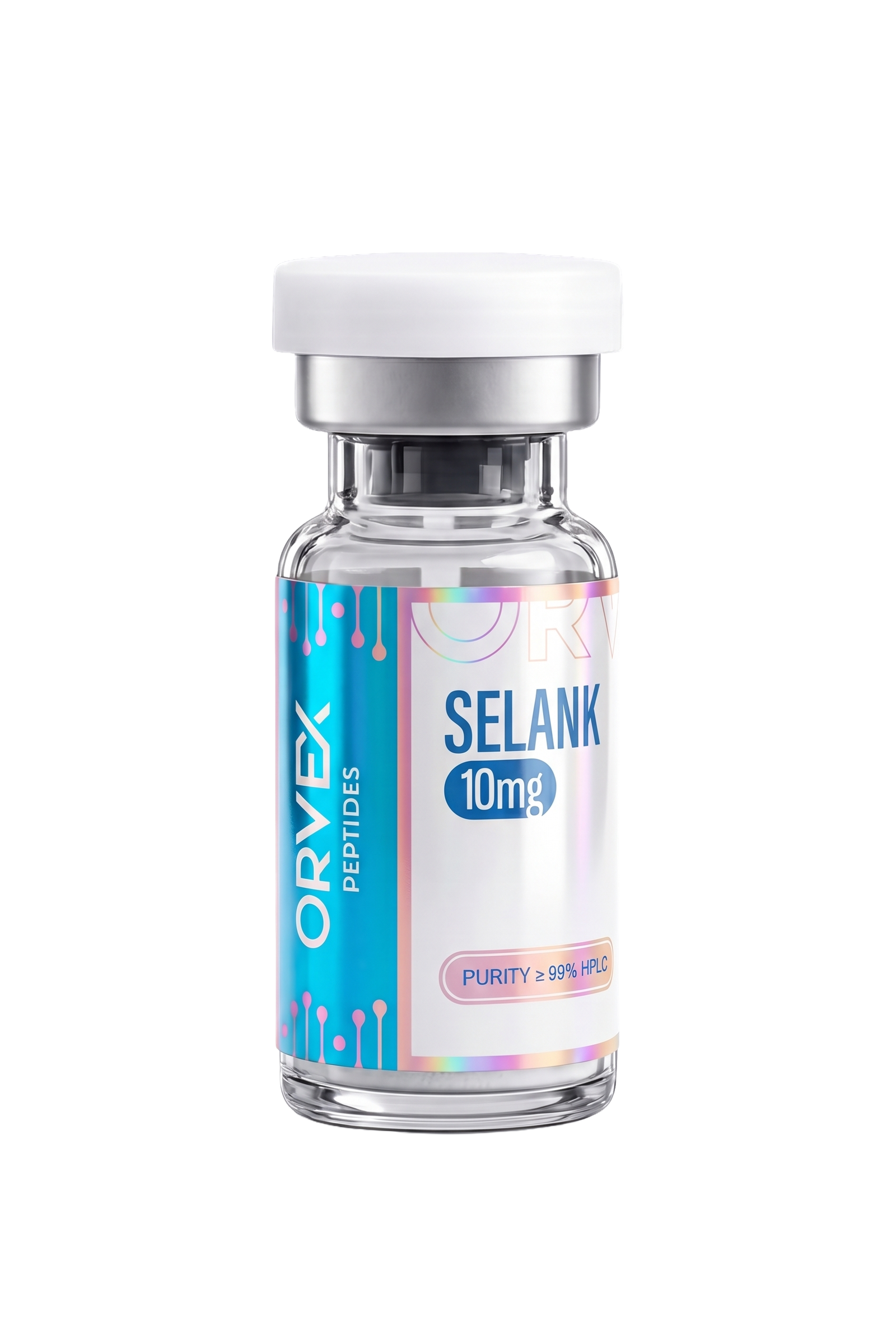
Selank is a synthetic heptapeptide (7 amino acids; MW ≈ 863.0 Da) developed through academic research at the Institute of Molecular Genetics of the Russian Academy of Sciences. It is structurally derived from the endogenous immunomodulatory peptide tuftsin (Thr-Lys-Pro-Arg) with a C-terminal Pro-Gly-Pro extension sequence that provides enhanced resistance to enzymatic degradation compared to the parent molecule. It is intended strictly for laboratory and research purposes.
Selank's three-amino-acid C-terminal extension (Pro-Gly-Pro) — shared with the related compound Semax — significantly increases peptide stability against protease activity in laboratory research environments relative to native tuftsin. The molecule is studied in the context of neuropeptide pharmacology and GABAergic signaling pathway research in preclinical cellular models. No canonical single receptor has been definitively established; research continues across multiple receptor pathway candidates.
Amino acid count: 7 residues (heptapeptide)
Molecular weight: ~863.0 Da
Sequence: Thr-Lys-Pro-Arg-Pro-Gly-Pro
Structural class: Linear tuftsin-derived neuropeptide analog
C-terminal modification: Pro-Gly-Pro extension (protease stabilization)
Parent peptide: Tuftsin (endogenous tetrapeptide)
Neuropeptide Receptor Research: Investigations into receptor binding candidates and signaling pathway interactions in cellular models, including GABAergic and neuropeptide receptor systems.
Comparative Pharmacology: Studies examining Selank alongside tuftsin and related structural analogs in receptor binding assays.
Structural Stability Research: Investigations into Pro-Gly-Pro extension-mediated protease resistance relative to the native tuftsin tetrapeptide.
Molecular Biology Research: Academic studies examining gene expression pathway dynamics associated with neuropeptide receptor signaling in in vitro models.
Selank is sold strictly for in vitro research and laboratory use only. It is not intended for human or veterinary use, consumption, or application of any kind. It is not approved by the FDA to diagnose, treat, cure, or prevent any disease or condition. Not for use in any living organism.
VIALS
Purity ≥ 99% HPLC
OP-Rt is a synthetic 39-amino-acid peptide supplied as a lyophilized reference standard for analytical and laboratory…
 VIALS
Out of Stock
VIALS
Out of Stock
Purity ≥ 99% HPLC
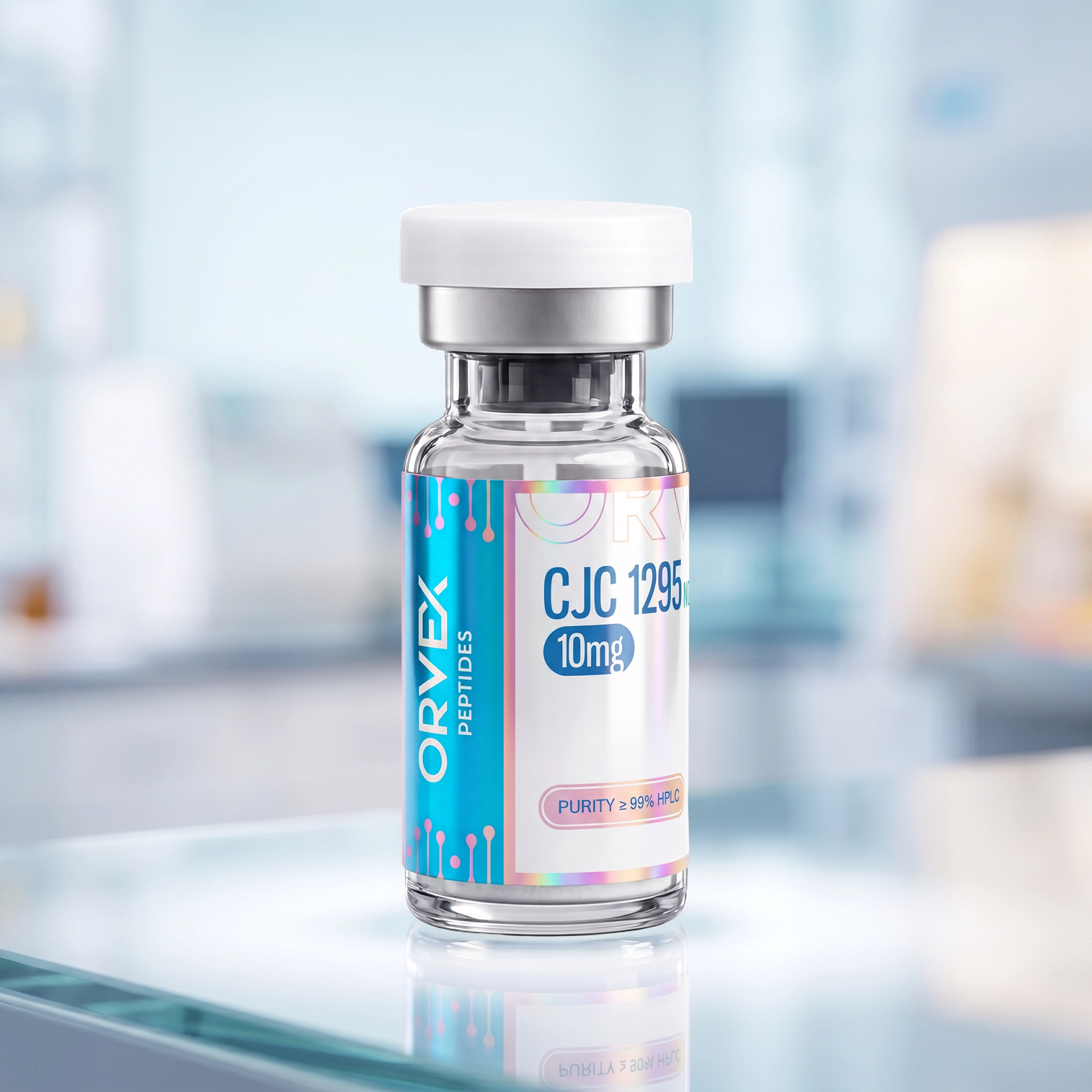
CJC-1295 Without DAC is a synthetic peptide (29 amino acids; MW ≈ 3,367.9 Da) developed through…
 VIALS
VIALS
Purity ≥ 99% HPLC
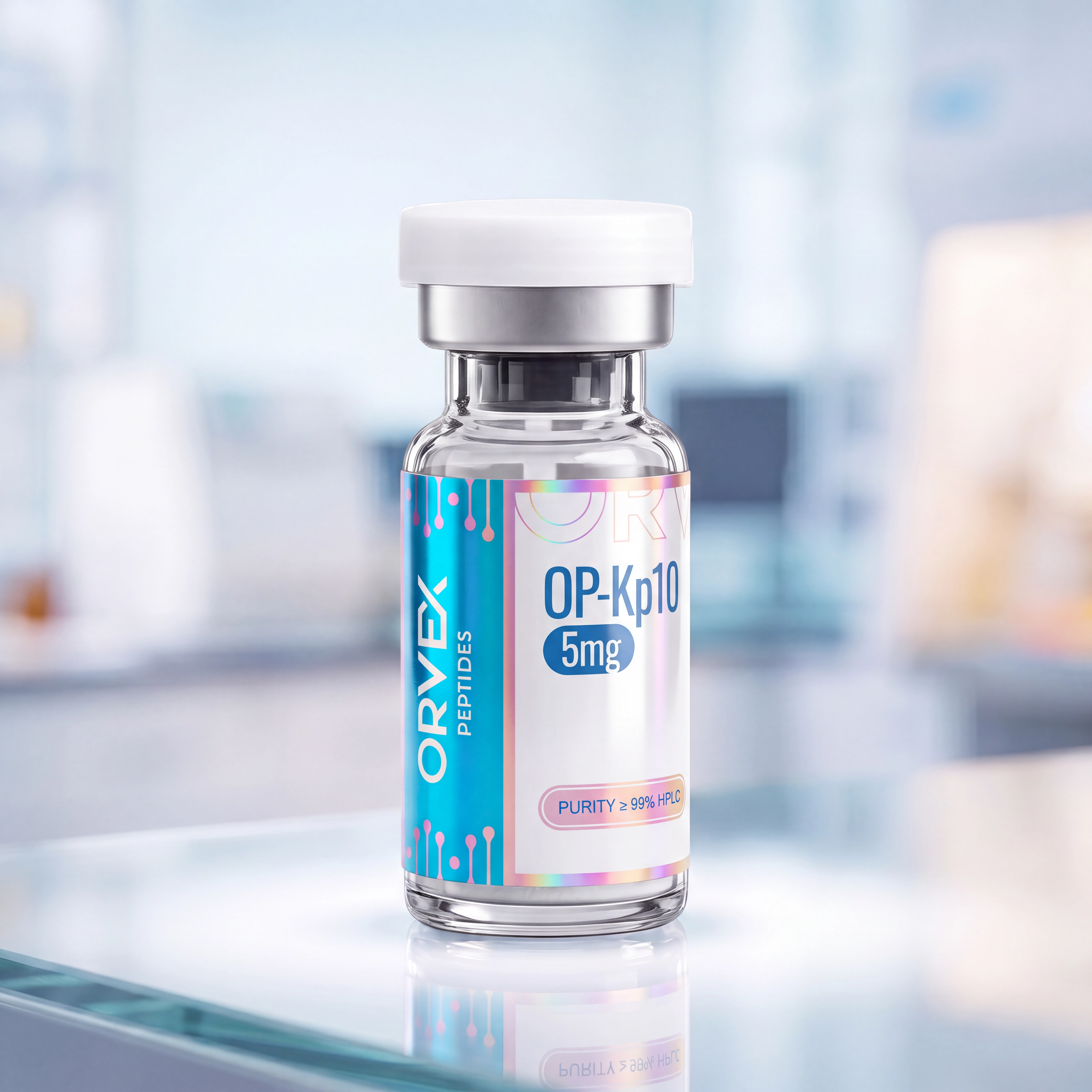
OP-Kp10 is a synthetic decapeptide (10 amino acids; MW ≈ 1,302.5 Da) corresponding to the C-terminal…
 VIALS
Out of Stock
VIALS
Out of Stock
Purity ≥ 99% HPLC
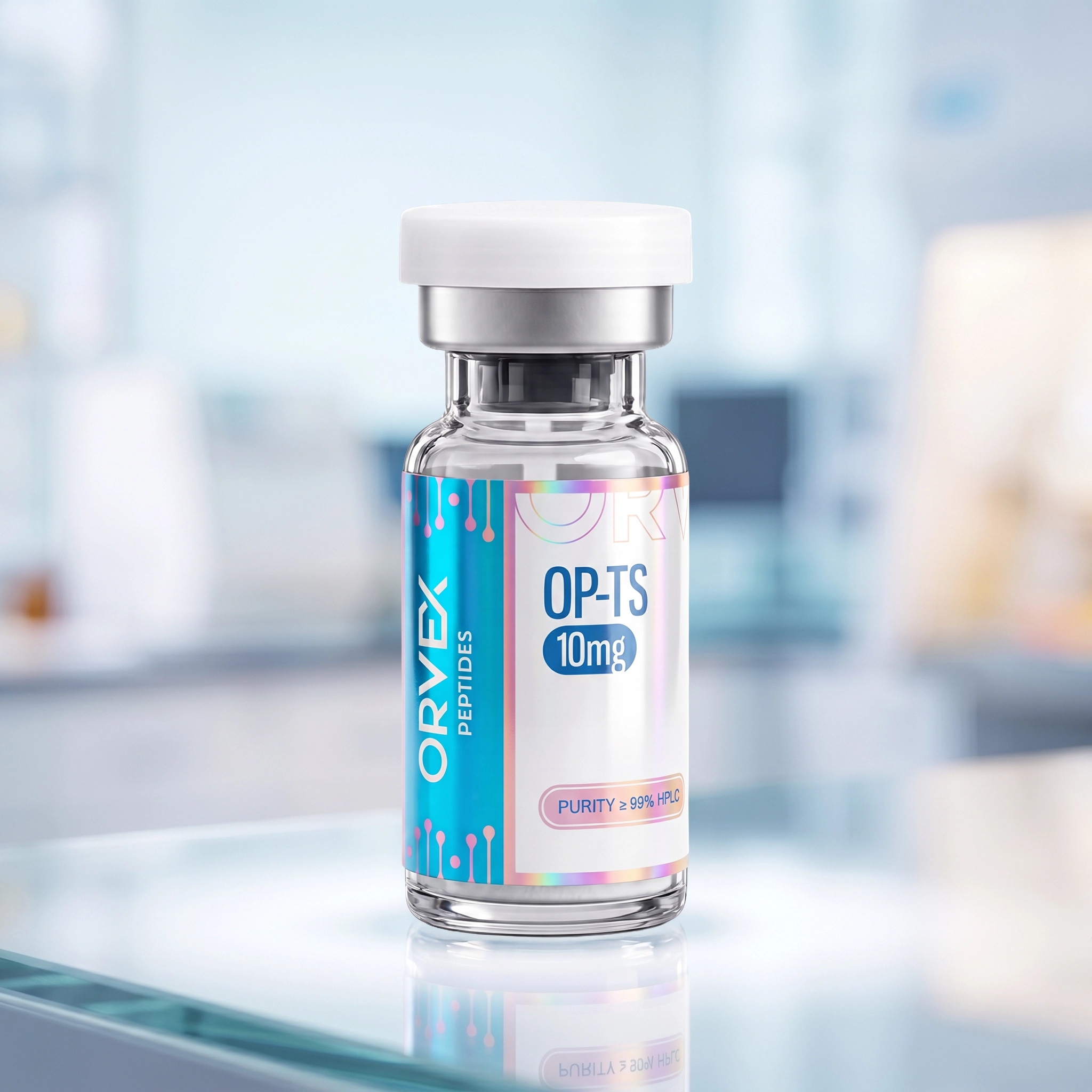
OP-TS is a synthetic 44-amino-acid peptide supplied as a lyophilized reference standard for analytical and laboratory…
 VIALS
VIALS
Purity ≥ 99% HPLC
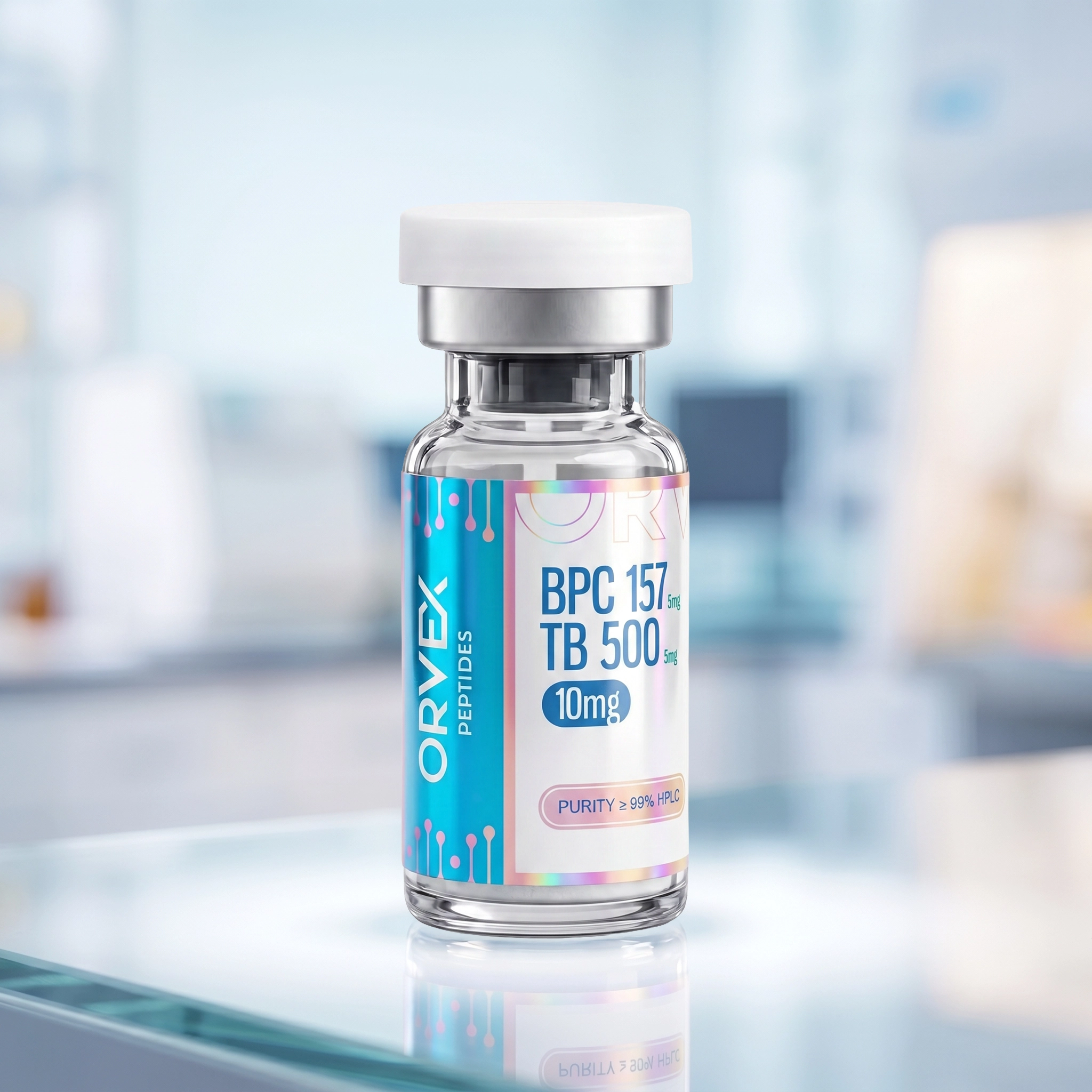
BPC-157 is a synthetic pentadecapeptide (15 amino acids; MW ≈ 1,419.5 Da) derived through academic research…
 VIALS
VIALS
Purity ≥ 99% HPLC
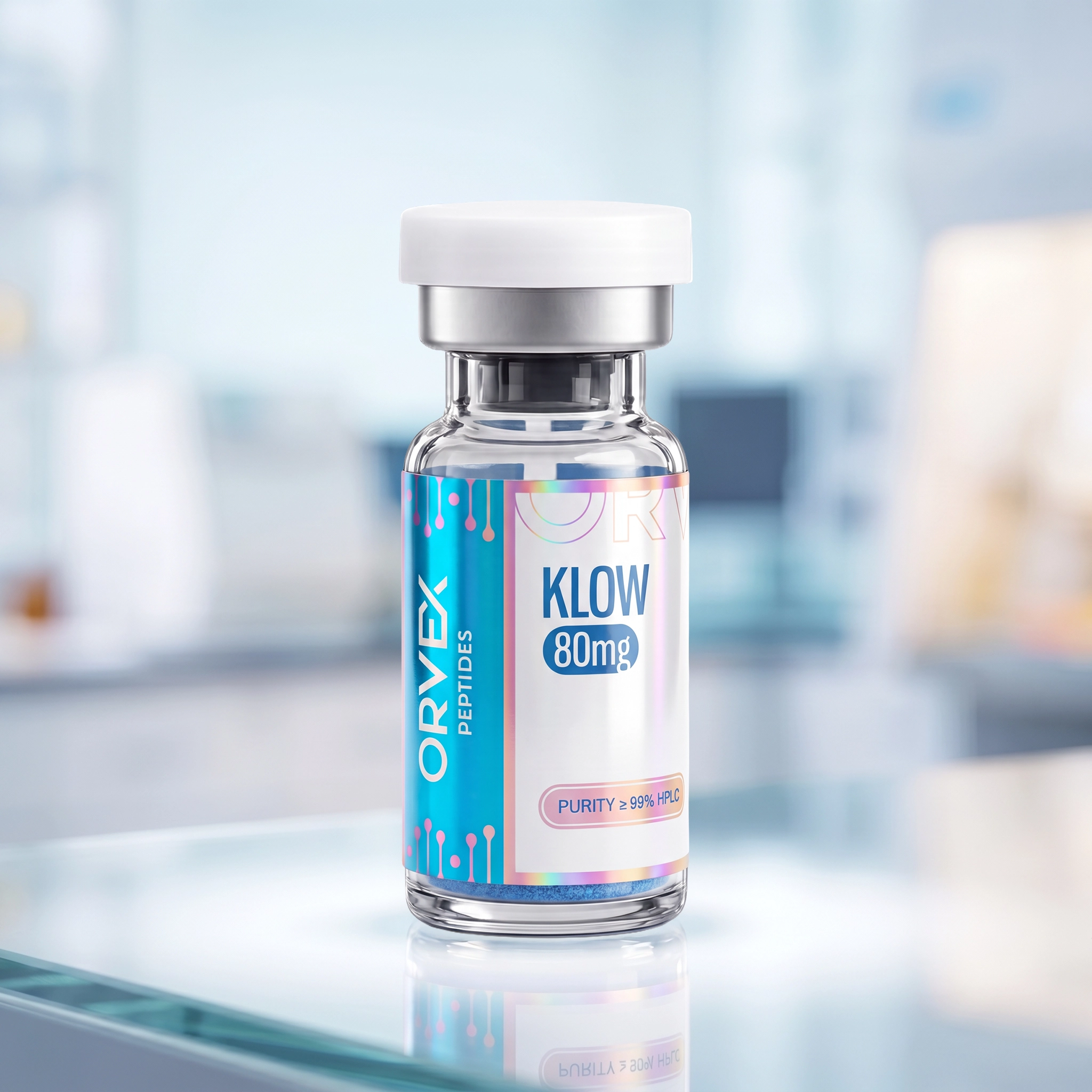
KLOW is a four-peptide co-formulated research blend designed for comparative biochemical investigation of structurally distinct peptide…